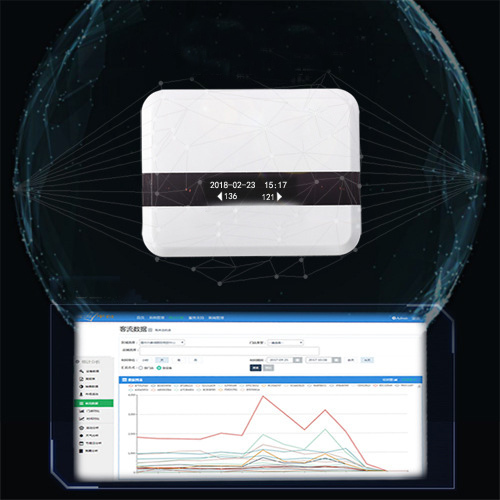
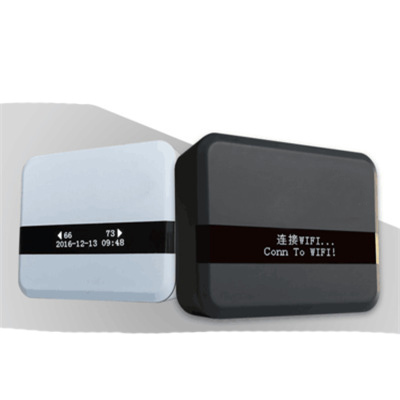
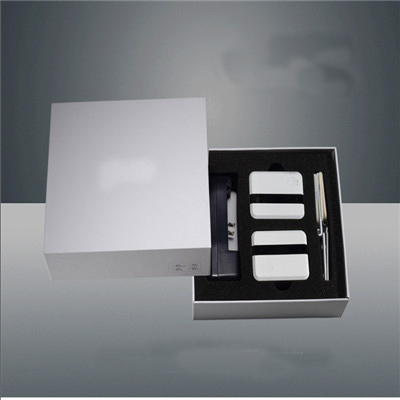
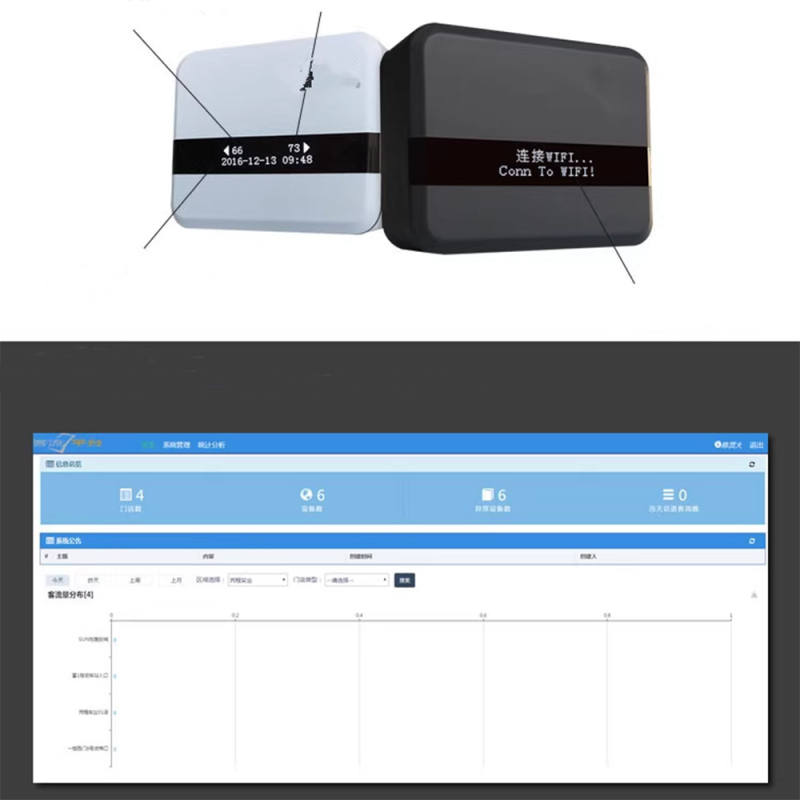
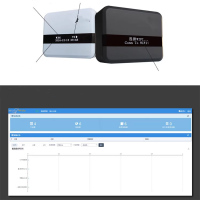
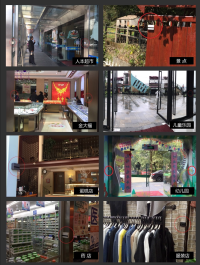
Passenger Flow Counter Two-way Infrared Passenger Flow Counter Intelligent Analysis System Store Scenic Spot
Two-way infrared visitor tally device for scenic entrances, museum channels, store doors, ticket rooms, and controlled pedestrian passages.
- Information
- Video
- Download
Two-Way Infrared Visitor Tally Device for Scenic Entrances and Store Channels
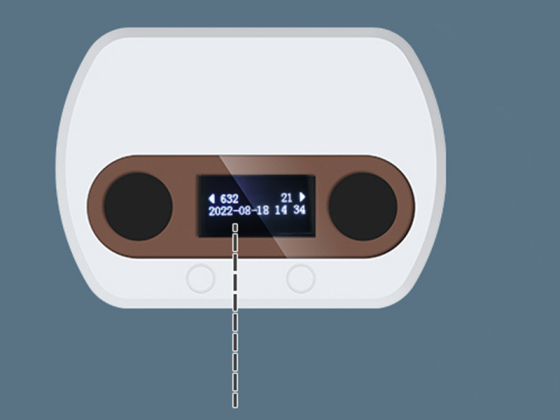
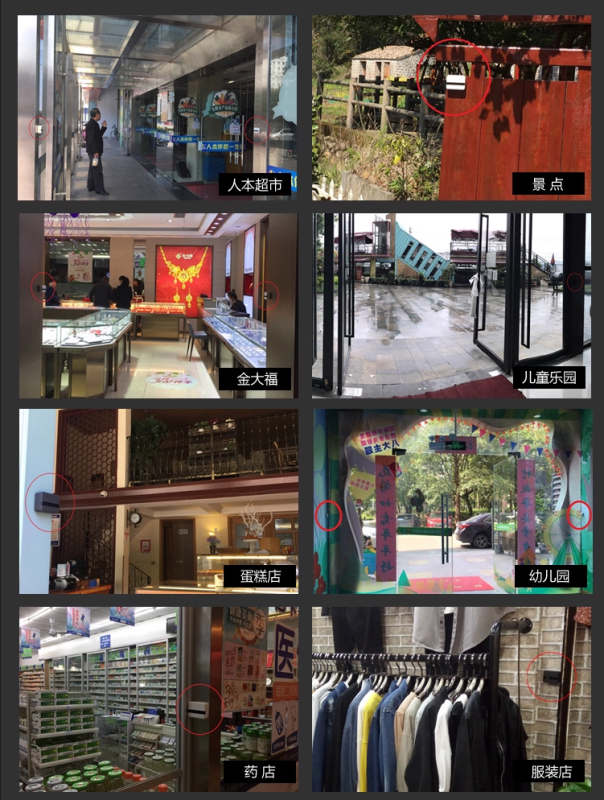
This two-way infrared visitor tally device is best explained as a beam based entrance instrument for controlled channels. It is useful at scenic spot rooms, museum areas, small store doors, exhibition passages, service halls, and ticket related entrances where people move through a defined path and managers need a simple number record.
A scenic venue may install the device at the entrance of a hall, a narrow corridor, a temporary exhibition route, or a ticket checked room. The data can help staff understand daily visitor volume, compare holiday traffic, estimate how many people remain inside a zone, and plan cleaning or service schedules. The product is focused on practical entrance statistics, not video surveillance.
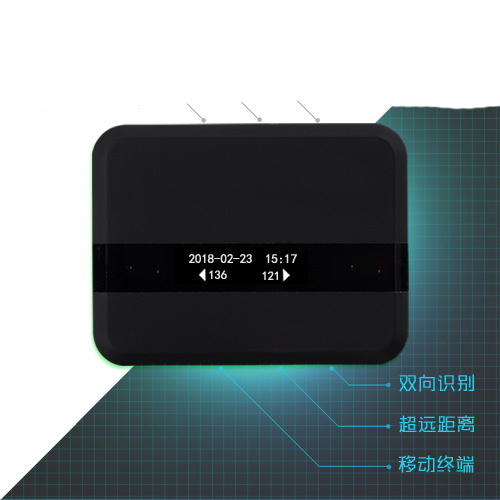
The device is different from an AI camera because it does not try to describe dwell time, heat maps, or customer paths. It is also different from a full vehicle passenger system because it is intended for fixed pedestrian channels. Its strength is simple bidirectional counting when the walking path is narrow enough for a clean infrared beam setup.
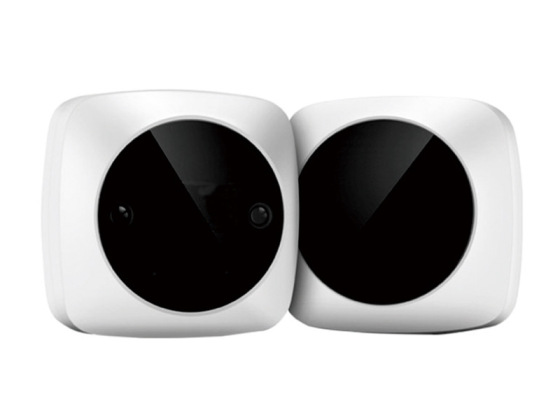
Installation should be planned carefully. The buyer should measure channel width, decide left and right sensor positions, check direct sunlight, avoid reflective glass, keep the beam at a suitable height, and make sure visitors do not stop in the sensing line. Good physical placement is the main factor that makes an infrared tally device reliable.
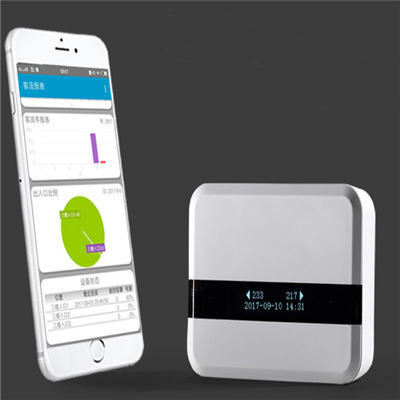
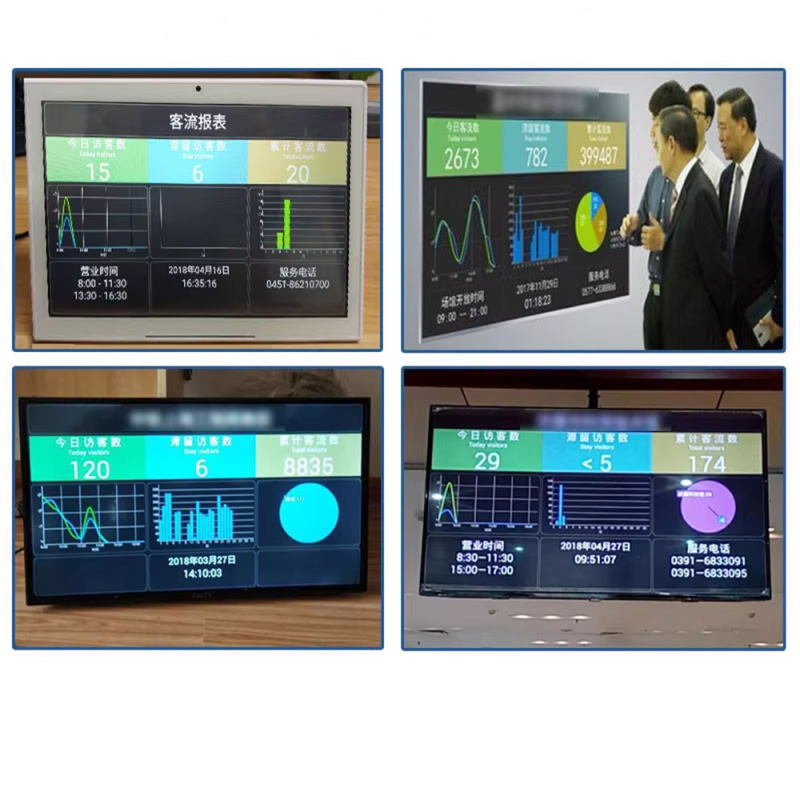
For a store, the data can be used to compare morning and evening footfall, judge whether a promotion brought more visitors, and plan staff at the door. For a museum or scenic site, the same numbers can support capacity review, room management, and basic operation reports. A simple export or display is often enough for these scenarios.
Before purchase, customers should describe the entrance shape, expected daily visitor volume, power condition, whether networking is required, and the way the report will be read. If the site is very wide, crowded, or requires behavior analytics, PanPanTech may recommend an AI people counting camera instead.
This product is recommended for buyers who want a straightforward two direction infrared counting device for doors and channels. It provides useful visitor traffic information with a simple structure and low maintenance demand.
The best sample test is to install the two sensors at the real passage and walk through at normal speed in both directions. The customer can then check whether the count is stable, whether the installation position is protected, and whether the report format meets the operation requirement.